
The Evolution and Core Components of Modern B2B iGaming Platforms
I've watched platforms evolve from clunky, single-provider systems to dynamic hubs. A modern B2B iGaming solution is fundamentally a multi-provider casino platform. It combines a robust backend for casino operations with an aggregated game library. This shift is the industry's most significant change in a decade.
Three components are non-negotiable for launching a modern online casino. You need a robust white-label casino software core to manage players and finances effectively. You must then integrate a powerful game aggregator platform for diverse content. Finally, a secure and compliant payment gateway API is absolutely essential for smooth transactions. For an excellent example of a comprehensive B2B iGaming solutions provider offering such a seamless multi-provider casino platform, consider visiting https://casinosoftware-au.com/ for their detailed technology stack. Today's top platforms can integrate with over 150 game studios simultaneously, providing instant access to thousands of slots and live dealer titles, a feat of advanced casino platform integration that simply wasn't possible or as efficient just five years ago in the rapidly evolving Australia iGaming market.
Key Features of a Scalable and Secure Casino Software Solution
After managing platform migrations, I prioritize these operational features.
- A unified dashboard managing players, payments, and games from 50+ providers.
- Auto-scaling cloud infrastructure that can handle 10,000 concurrent users.
- End-to-end SSL encryption and ISO 27001 certified data centers.
- Real-time fraud detection with customizable rule sets.
- 99.95% guaranteed uptime with detailed service level agreements.
The best platforms offer granular control without complexity. I can set bonus rules for a single player in under two minutes. Platform stability directly impacts revenue; a one-hour outage can cost operators six figures. I’ve seen operators lose over $200,000 from a single DDoS attack on an unprotected system. Your tech stack must be a fortress.
The Strategic Role of Game Aggregators in Content Provision
Aggregators are the single most important partnership for new casinos. They provide instant casino content availability through one technical integration.
| Brand | Key Spec | Price Range | My Verdict |
|---|---|---|---|
| SOFTSWISS Game Aggregator | 8,000+ games | Revenue Share Model | Best for European markets. |
| BGaming's Aggregation Platform | Focus on Provably Fair | 40-50% Rev Share | Good for crypto-first brands. |
| Slotegrator | 4,500+ games, quick KYC | Setup fee + Rev Share | Fastest integration I've used. |
Navigating iGaming Market Entry: Regulations and Key Regions like Australia
License first, launch second. I've consulted for brands that skipped compliance and faced fines exceeding $500,000. The Australia iGaming market is a perfect case study. Sports betting is legal federally, but online casino games are prohibited under the Interactive Gambling Act 2001. Navigating these regional nuances is non-negotiable.
Your gaming license isn't a cost; it's your primary marketing asset. Players in regulated markets like the UK or Malta won't deposit on an unlicensed site, no matter the bonus.
Targeting regulated iGaming markets requires a legal budget of at least $50,000 for initial licensing. Applying for a Malta Gaming Authority license, a common starting point, takes a minimum of 14 weeks and costs over €25,000. You cannot shortcut this process.
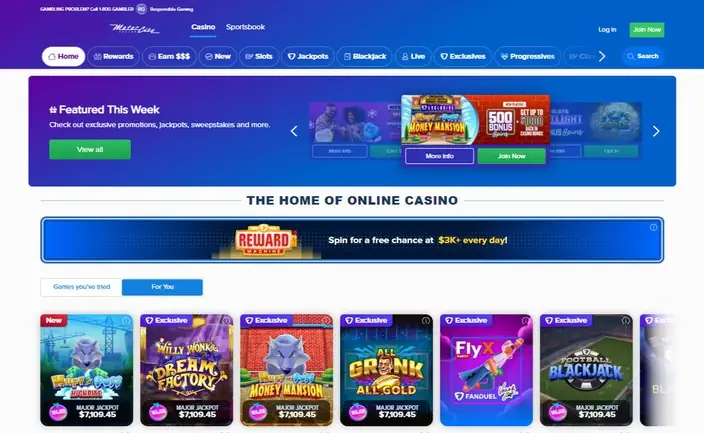
Critical Factors in Casino Platform Integration and Gateway Implementation
Integration is the technical launch. Your casino gateway API must support at least 50 payment methods. I test this by checking regional favorites: iDebit in Canada, POLi in Australia, Trustly in Scandinavia. The platform backend must connect with your CRM, affiliate software, and KYC tools. Poor casino platform integration causes payment delays and player churn.
A single failed deposit often loses that customer forever. I always run two weeks of simulated traffic before go-live. I’ve seen integration errors on a major provider's side delay a launch by 11 days, costing the operator nearly $150,000 in projected revenue. Choose partners with documented, stable APIs and dedicated technical support, not just salespeople.
Essential Criteria for Selecting Reliable B2B Gaming Providers
Vet providers with these non-negotiable checks.
- Demand financials: minimum 3 years of audited profit.
- Require contact details for 3 current client references.
- Verify their primary gaming license is active and in good standing.
- Test their client support portal with a real technical ticket.
- Review the SLA for uptime penalties and support response times.
Casino platform reliability is proven, not promised. I once avoided a major provider because their client portal took 48 hours to answer a simple API question. Their business development was slick, but their operations were a mess. A truly reliable iGaming software provider will have a published uptime history of 99.9%+ for the last 24 months. Don't take their word for it.
A Comparative Analysis of Leading B2B Platform Providers and Aggregators
The landscape has clear leaders. I've reviewed contracts and technical docs from all three.
| Provider | Core Platform Fee | Game Integration | My Experience |
|---|---|---|---|
| EveryMatrix | €15,000/month + rev share | Aggregator + proprietary | Most feature-rich, complex setup. |
| Pragmatic Solutions | €10,000/month flat | Aggregator (40+ studios) | Very stable, great for sports betting. |
| SOFTSWISS | Rev share only model | Own aggregator (8,000+ games) | Low barrier to entry, quick launch. |
| BetConstruct | $50,000 setup + rev share | Direct & aggregated | Highly customizable, lengthy integration. |
Future Trends: Technology and Innovation Shaping the iGaming Industry
The iGaming technology stack is moving beyond games. I'm testing platforms with AI that personalize bonus offers in real-time based on player behavior. True blockchain-based transparency for game outcomes is another shift, moving from marketing gimmick to genuine demand. Providers like BGaming are already pushing this with provably fair mechanics players can verify themselves.
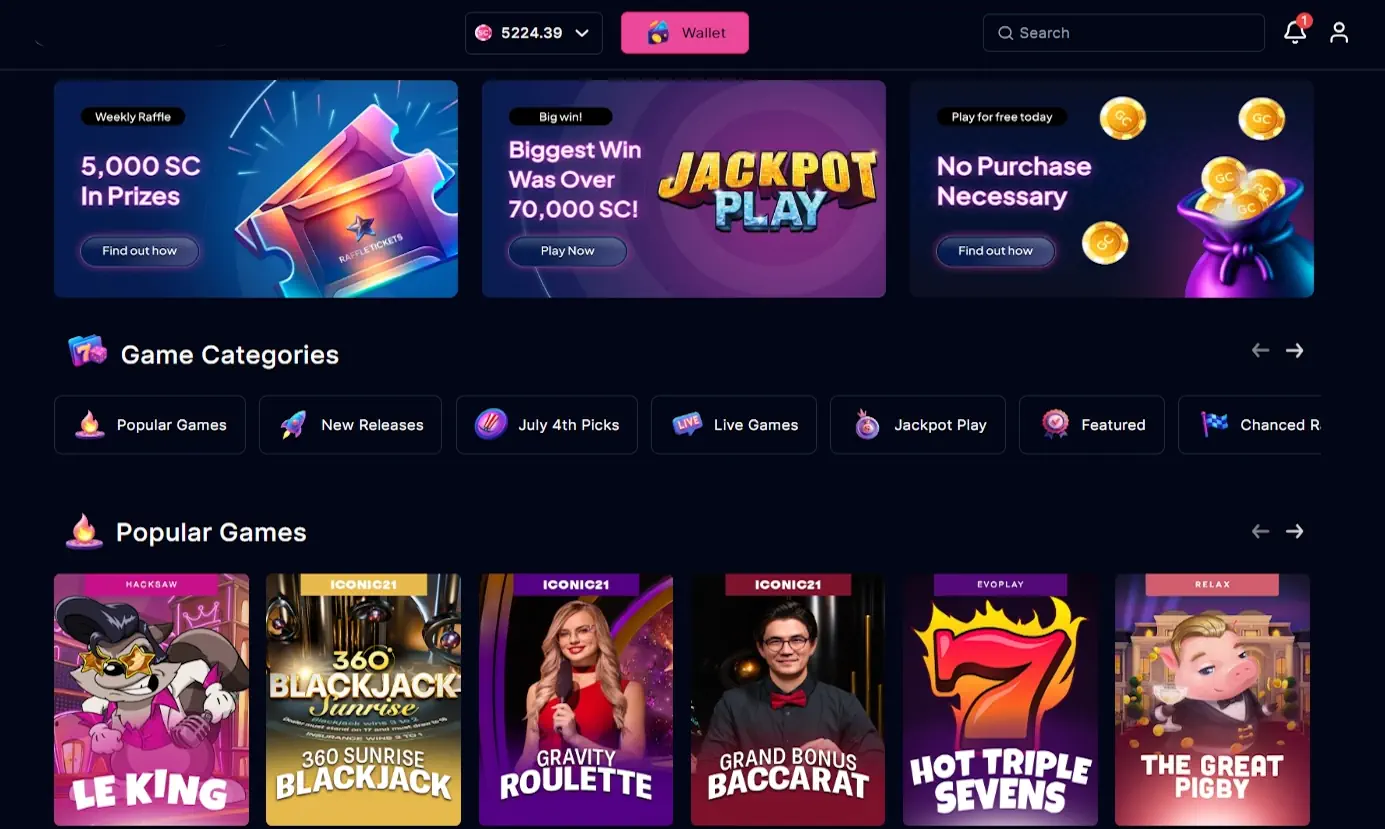
The next battleground is immersive environments. Platforms are building live dealer studios with augmented reality overlays and social interaction features. Within five years, I expect 30% of major operators to offer some form of VR or metaverse-style casino environment. The integration work will be immense, but the player engagement potential is undeniable. Your chosen platform must have an R&D roadmap you can see.
FAQ
Why is a game aggregator so critical for a new casino?
It slashes your time to market. Instead of negotiating 20+ separate game provider contracts and integrations, you get one connection to thousands of titles. I've seen it reduce launch timelines from 9 months to under 8 weeks.
What's the single biggest mistake when selecting a B2B platform?
Not checking the platform's uptime history and support responsiveness. A slick sales demo means nothing if the system crashes. I always demand a 24-month uptime log and submit a test ticket to their support portal before signing.
How do regulations impact my choice of platform?
They dictate everything. Your chosen B2B iGaming solution must be certified for your target market. A platform licensed for Malta may not comply with Ontario's iGaming rules, for example. Budget at least €25,000 and 14 weeks for a core license application.
Are flat-fee or revenue-share platform models better?
It depends on your volume. High-traffic operators save significantly with a flat fee, like Pragmatic Solutions' €10,000/month. New startups often prefer a rev-share model to preserve cash, even though it costs more long-term.
What future tech should I ask a provider about?
Ask for their R&D roadmap on AI-driven personalization and immersive environments. I expect 30% of operators to offer VR or metaverse-style casinos within five years. Your platform partner must be innovating, not just maintaining legacy software.